What Causes Concrete to Crack? Common Causes and Prevention Tips

Concrete can crack because of shrinkage, temperature changes, soil movement, poor drainage, heavy loads, or installation conditions. Some cracks are a normal result of concrete curing and aging, while others can point to movement or deterioration that deserves closer attention.
In Cheyenne, Wyoming, concrete also has to perform through significant seasonal temperature changes and repeated freeze-thaw conditions. Understanding what causes concrete to crack can help property owners recognize potential problems and take practical steps to protect driveways, patios, sidewalks, foundations, and slabs.
1. Concrete Shrinks as It Cures
Fresh concrete contains water, and some moisture leaves the material as it hardens. As this happens, the concrete shrinks slightly.
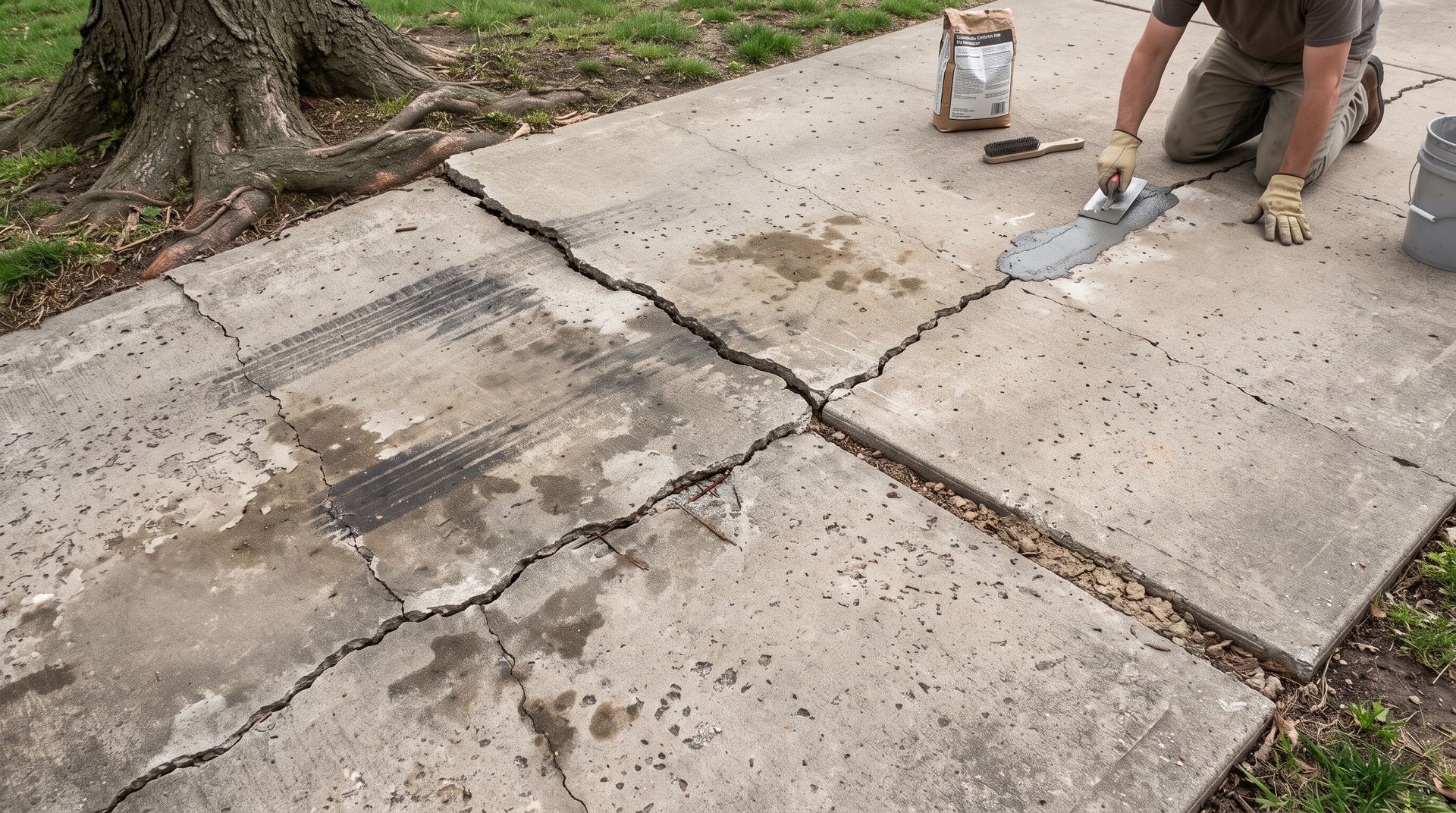
If that movement is restricted or not properly managed, small cracks can develop. These are commonly called shrinkage cracks, and their presence does not automatically mean the concrete has a structural problem.
Proper Curing Helps Control Cracking
Concrete needs appropriate moisture and temperature conditions while it cures. When the surface loses moisture too quickly, the risk of unwanted cracking can increase.
Curing should therefore be planned as part of the installation process rather than treated as an afterthought once the concrete has been placed.
2. Freeze-Thaw Cycles Stress Concrete
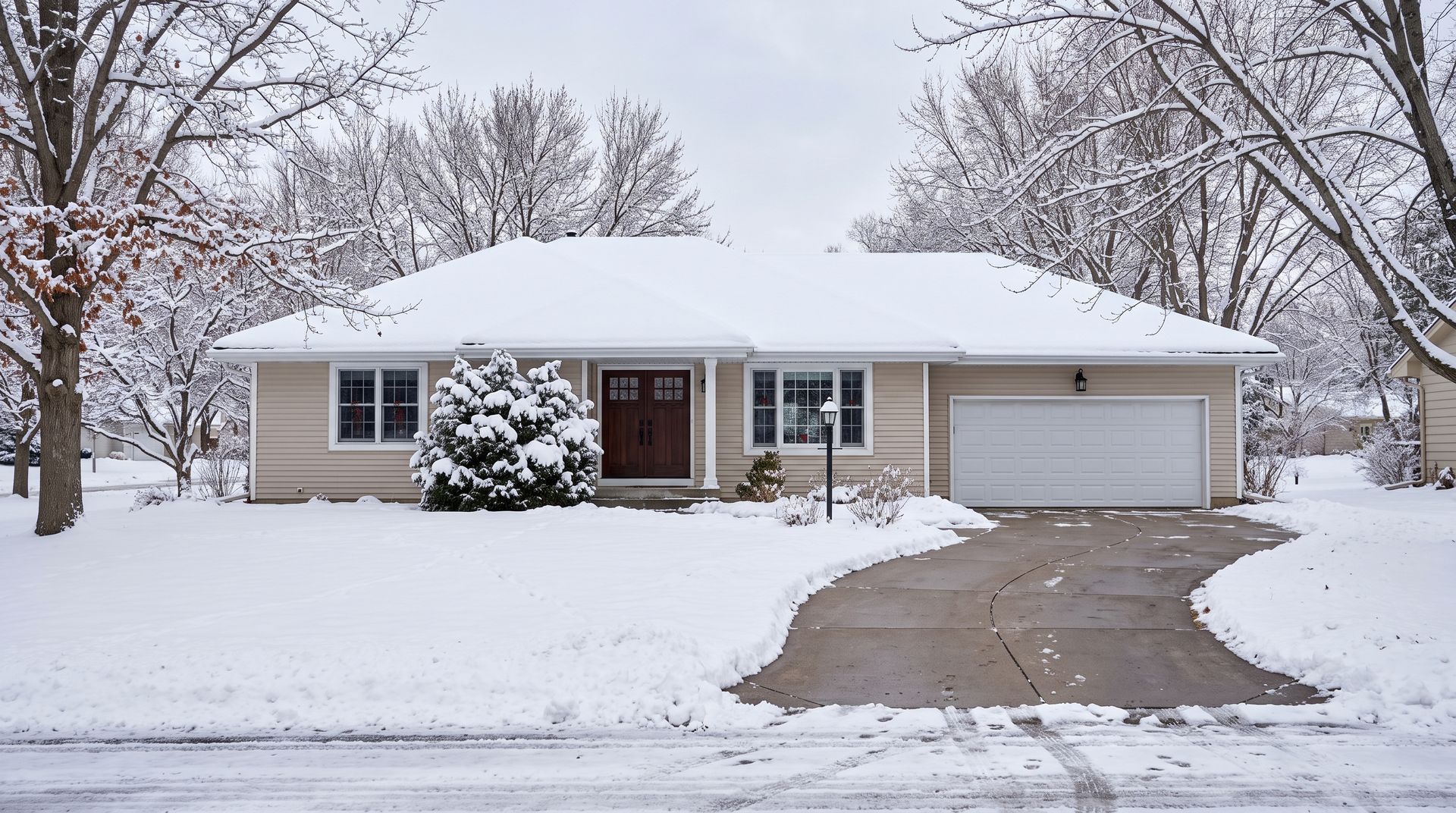
Wyoming winters present another challenge. Concrete contains pores and small openings where moisture can enter. When trapped moisture freezes, it expands. Repeated freezing and thawing can gradually contribute to surface deterioration and cracking.
Concrete installed for Cheyenne conditions should account for local weather from the beginning. Material selection, placement, drainage, curing, and ongoing maintenance all influence how well an exterior surface handles seasonal changes.
The body content of your post goes here. To edit this text, click on it and delete this default text and start typing your own or paste your own from a different source.
3. Soil Beneath the Concrete Can Move
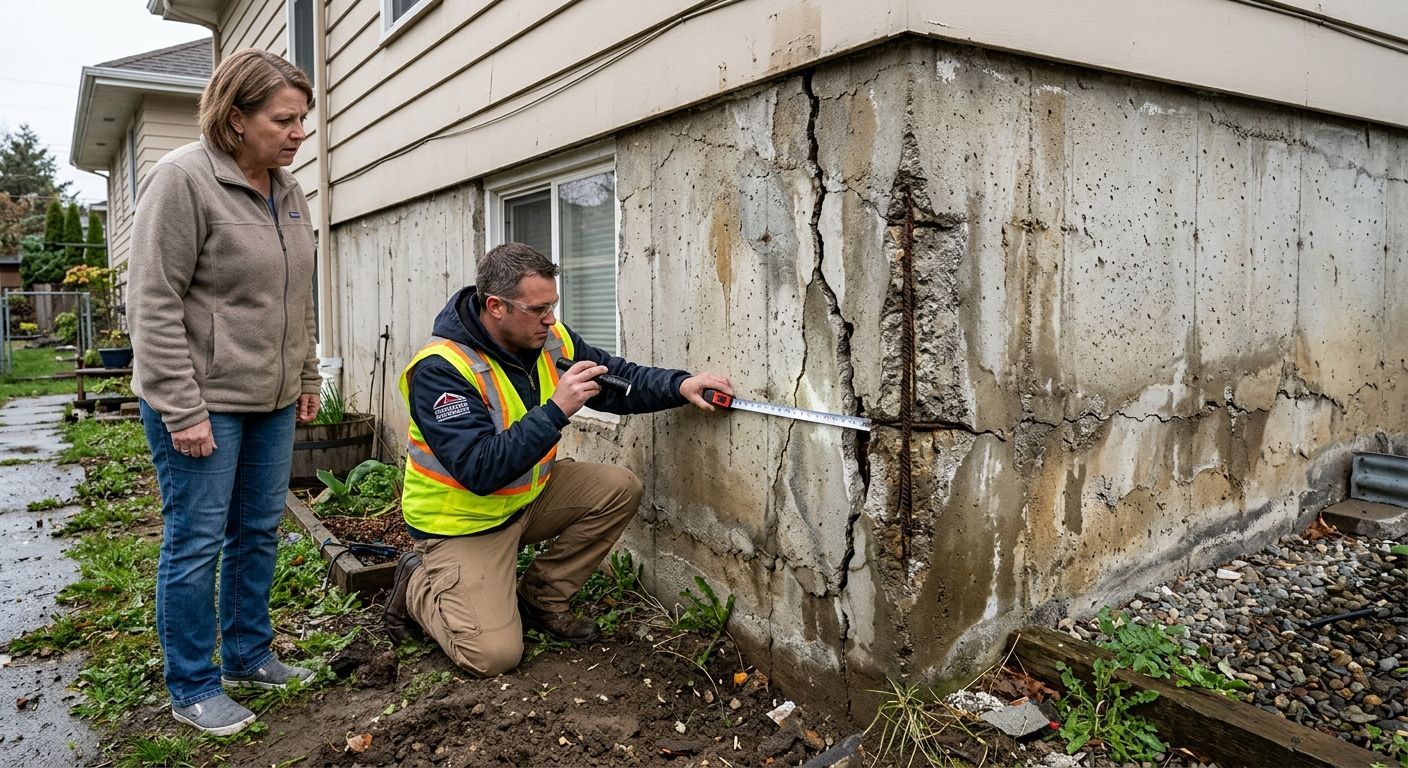
A concrete slab depends on the material supporting it. If the soil or base settles, shifts, erodes, or was not adequately prepared, portions of the slab may lose consistent support.
The result can include cracking, sinking, or differences in elevation between adjoining sections.
This is one reason site preparation is a critical part of professional Concrete Flatwork. Driveways, patios, sidewalks, and similar surfaces need a properly prepared base suited to the site and intended use.
4. Poor Drainage Can Contribute to Cracking
Water should move away from concrete surfaces and structures instead of repeatedly collecting around them.
Poor drainage can affect both the concrete and its supporting material. Water may contribute to erosion beneath a slab, while moisture entering the concrete becomes more concerning when temperatures fall below freezing.
Watch for Standing Water
After rain or snowmelt, look for areas where water regularly pools on or beside driveways, patios, and walkways.
Property owners can help by keeping drainage paths clear, directing downspouts appropriately, and addressing recurring standing water. If the problem involves grading or movement beneath the slab, professional evaluation may be needed.
5. Concrete Expands and Contracts
Concrete moves slightly as temperatures rise and fall. Without a planned way to accommodate shrinkage and movement, internal stress can result in uncontrolled cracking.
Control joints are intentionally placed to encourage cracks to occur at predetermined locations. Their spacing and placement should be considered during installation.
For exterior concrete in Cheyenne, proper joint planning is especially important because surfaces experience substantial temperature changes throughout the year.
6. Excessive Loads Can Damage a Slab
Concrete should be designed for how the finished surface will be used. A backyard patio does not experience the same loads as a commercial slab exposed to equipment or regular vehicle traffic.
Using a slab beyond its intended capacity can contribute to cracking and other forms of damage.
Professional Commercial Concrete planning considers expected use, site conditions, and project requirements before concrete is placed.
7. Installation Quality Influences Performance
Several factors affecting future cracking are determined during construction.
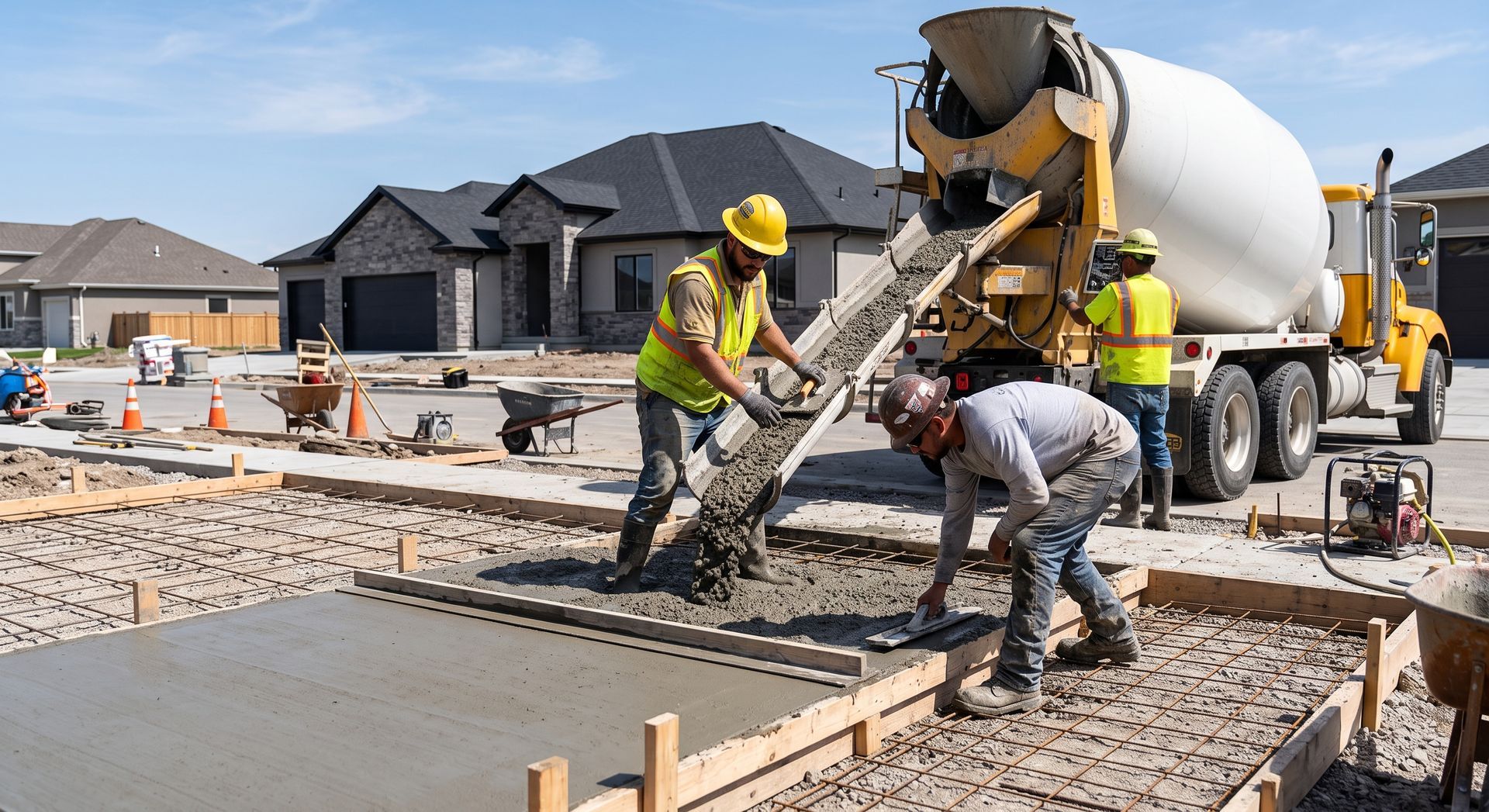
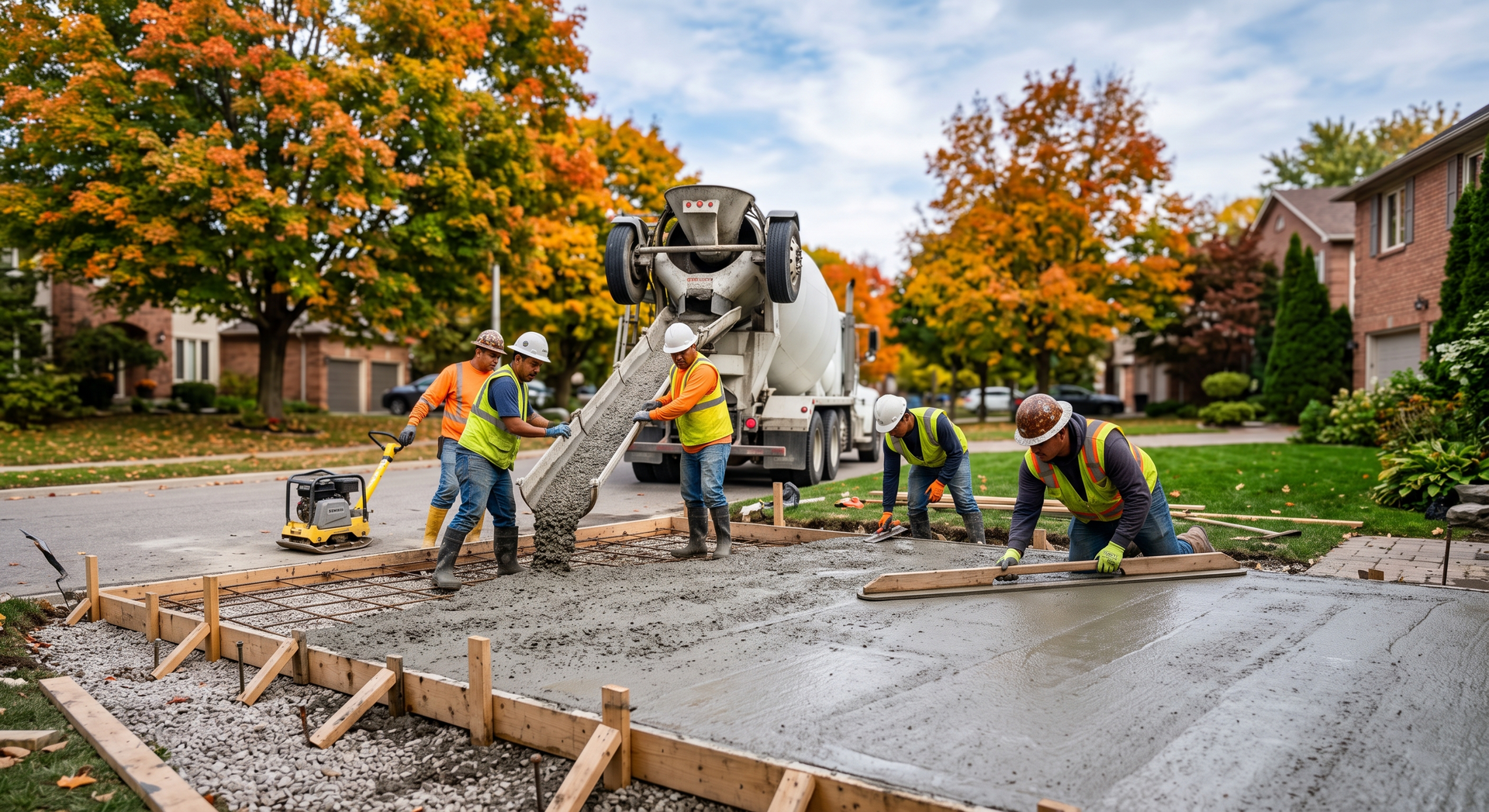
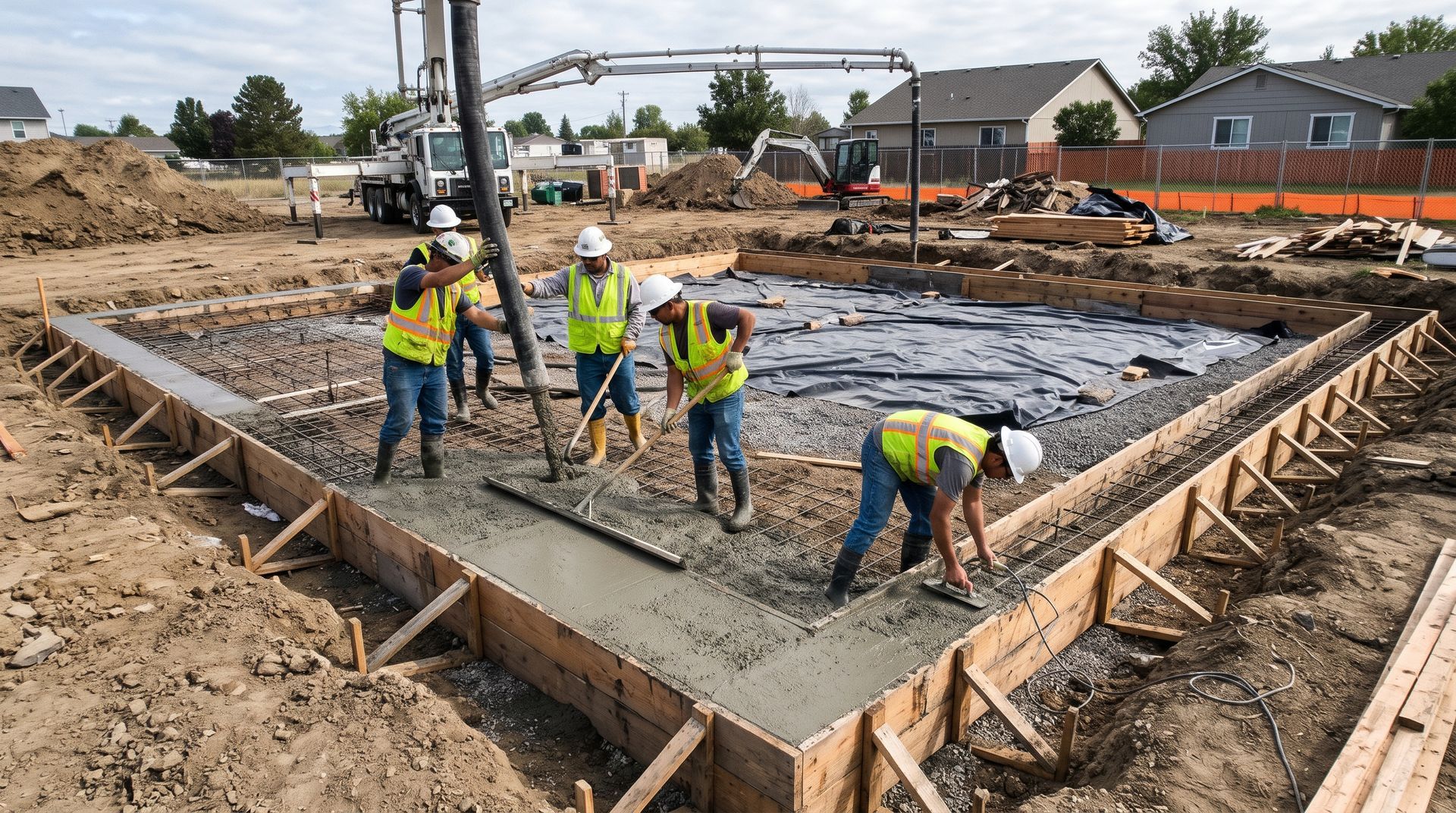
Base preparation, placement, reinforcement when required, finishing, control joints, weather conditions, and curing all affect how concrete performs after installation.
No concrete contractor can reasonably guarantee that a slab will never crack. Good installation instead focuses on controlling predictable movement and creating concrete suited to the conditions where it will be used.
How Can Property Owners Help Prevent Concrete Cracks?
Not every crack is preventable, but property owners can reduce avoidable stress by maintaining drainage, preventing persistent standing water, using surfaces as intended, and monitoring existing cracks for changes.
Other preventive measures belong primarily to the installation process. Proper base preparation, joint placement, concrete selection, placement, and curing should be handled according to the needs of the project.
Miller & Sons Construction, Inc. provides residential and commercial concrete services throughout Cheyenne and surrounding communities.
Prevent Concrete Cracking in Cheyenne, WY
Long-lasting concrete begins with proper planning before the pour and sensible maintenance afterward. Site preparation, drainage, joint placement, curing, intended use, and Wyoming weather all play a role in how a concrete surface performs.
If you are planning a driveway, patio, foundation, commercial slab, or other concrete project, contact Miller & Sons Construction, Inc. to discuss concrete options suited to your property and project.