How to Maintain Concrete Through Harsh Wyoming Winters

Maintaining concrete through Wyoming winters is essential to prevent cracking, surface damage, and premature wear. In Cheyenne, WY, freeze-thaw cycles, snow, and deicing chemicals can all impact the durability of concrete surfaces. Proper maintenance—including sealing, cleaning, and careful winter care—helps extend the lifespan of your driveway, patio, or walkway and keeps it looking its best year-round.
Why Winter Is Hard on Concrete
Concrete is strong, but it is not immune to environmental stress. Winter conditions in Cheyenne create a combination of factors that can weaken even well-installed surfaces over time.
Freeze-Thaw Cycles
Water can seep into small pores and cracks in concrete. When temperatures drop, that water freezes and expands, putting pressure on the surface. As it thaws and refreezes, the cycle repeats, leading to cracks and deterioration.
Moisture Exposure
Snow and ice introduce constant moisture, which increases the risk of damage. Poor drainage can make this problem worse by allowing water to sit on the surface.
Deicing Chemicals
While helpful for safety, some deicing products can be harsh on concrete. They can break down the surface and accelerate wear.
Key Steps to Protect Concrete Before Winter
Preparation is one of the most effective ways to prevent damage during the colder months.
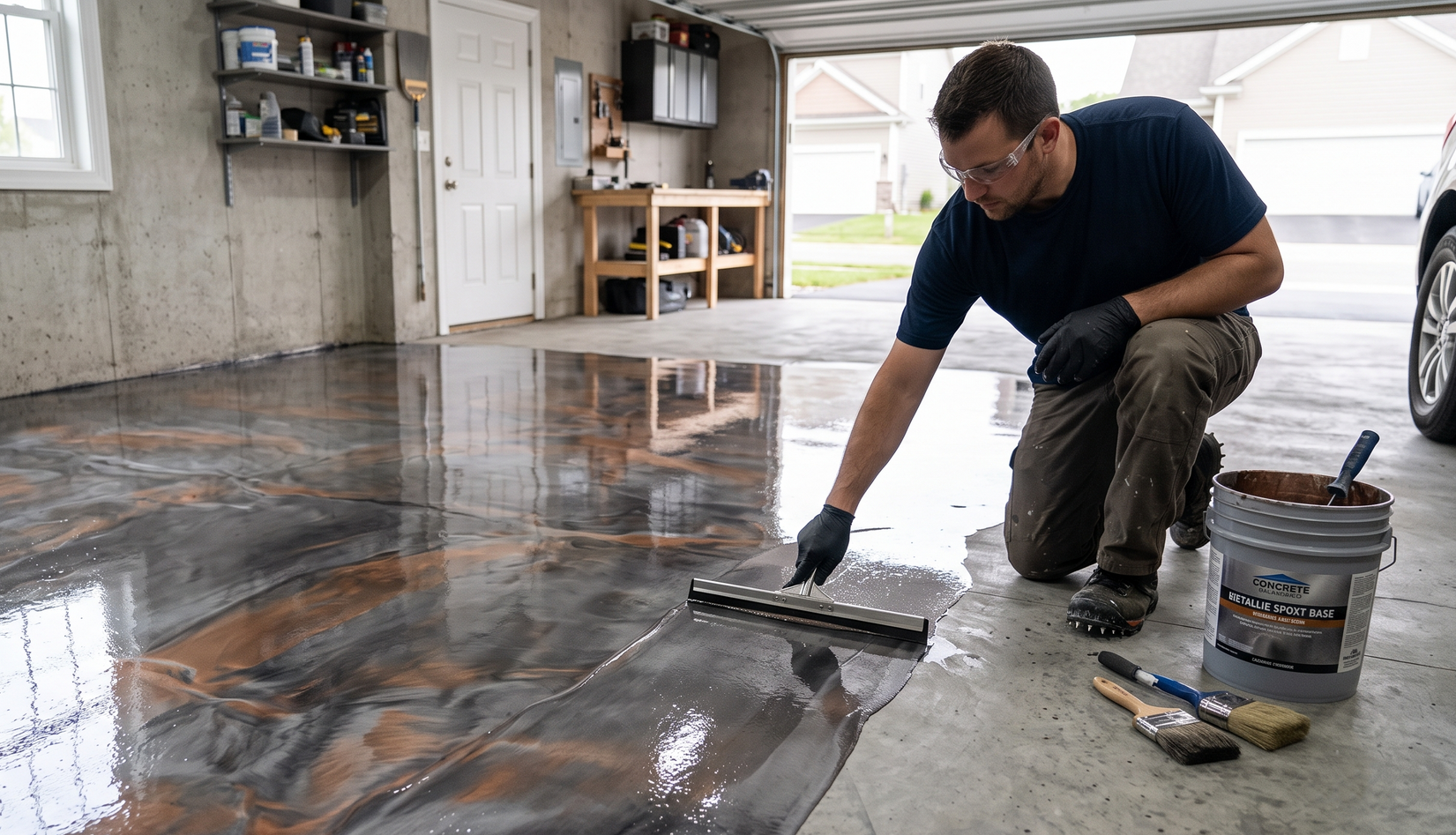
Seal the Concrete Surface
Applying a high-quality sealant creates a protective barrier that reduces moisture penetration. Sealing also helps protect against stains and surface damage.
It’s best to seal concrete before winter begins to ensure maximum protection.
Repair Existing Cracks
Small cracks can worsen quickly during freeze-thaw cycles. Addressing these issues early prevents further damage and helps maintain structural integrity.
Improve Drainage
Ensure water flows away from concrete surfaces. Proper grading and drainage reduce the amount of moisture that can seep into the concrete.
Best Practices During Winter
Once winter arrives, ongoing care is essential to keep your concrete in good condition.
Use Safe Deicing Methods
Not all deicing products are suitable for concrete. Avoid harsh chemicals that can damage the surface.
Safer alternatives include:
- Sand for traction
- Calcium magnesium acetate (CMA)
- Non-corrosive deicing products
These options help reduce the risk of surface deterioration.
Remove Snow Promptly
Clearing snow regularly prevents moisture buildup and reduces the risk of ice formation.
When removing snow:
- Use plastic shovels instead of metal ones
- Avoid sharp tools that can scratch the surface
Avoid Heavy Impact
Concrete can become more brittle in cold temperatures. Avoid dropping heavy objects or using equipment that could cause impact damage.
Spring Maintenance After Winter
Once winter ends, it’s important to assess the condition of your concrete and address any issues.
Inspect for Damage
Look for:
- Cracks or surface flaking
- Uneven areas
- Signs of moisture damage
Early detection allows for timely repairs.
Clean the Surface
Remove dirt, salt residue, and debris that may have accumulated during winter. This helps restore the appearance and prevents further damage.
Reseal if Needed
If the sealant has worn off, reapplying it helps prepare the surface for the next season.
Common Winter Damage Issues
Understanding common problems can help you take proactive steps to prevent them.
Scaling
Scaling occurs when the surface layer of concrete flakes or peels away. This is often caused by freeze-thaw cycles combined with moisture and deicing chemicals.
Cracking
Cracks can develop due to expansion and contraction. Proper joint placement and maintenance help minimize this issue.
Spalling
Spalling refers to surface deterioration that exposes the underlying concrete. It can result from moisture infiltration and repeated freezing.
How Professional Installation Helps Prevent Winter Damage
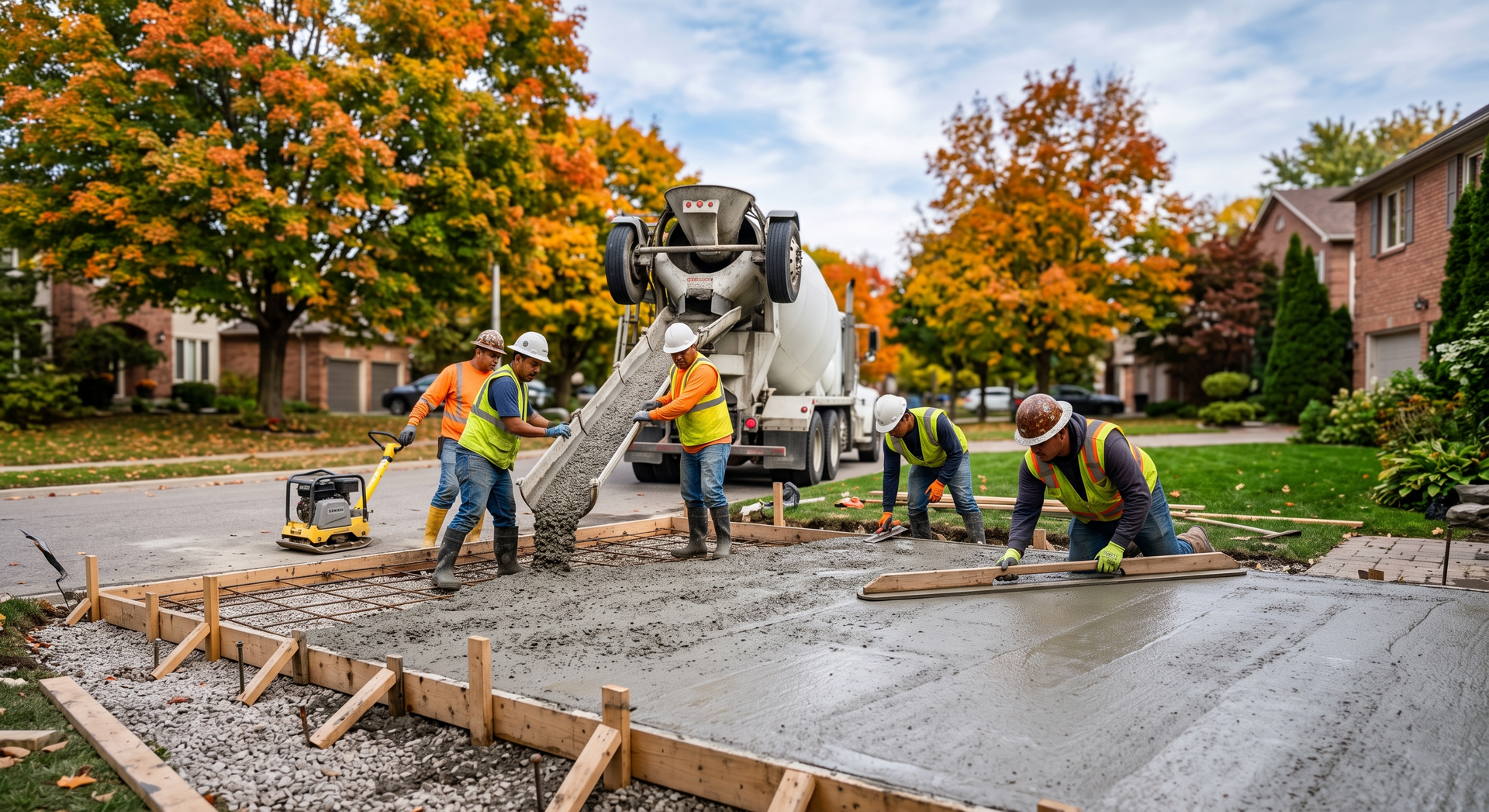
Proper installation plays a major role in how well concrete holds up during winter.
A professional contractor ensures:
- Correct mix design for cold climates
- Proper reinforcement
- Strategic joint placement
- Effective curing techniques
These factors improve durability and reduce the risk of damage over time.
To learn more about services designed for Wyoming conditions, visit:
Concrete Services in Cheyenne.
Long-Term Maintenance Tips
Maintaining concrete is an ongoing process that extends beyond winter.
Keep Surfaces Clean
Regular cleaning prevents buildup of dirt and debris that can trap moisture.
Address Issues Early
Small problems can become larger over time. Prompt repairs help preserve the integrity of your concrete.
Schedule Routine Inspections
Periodic inspections ensure your concrete remains in good condition and performs as expected.
Why Local Expertise Matters
Concrete maintenance in Cheyenne requires an understanding of local climate conditions. A contractor familiar with the area can provide tailored recommendations and solutions.
Local professionals understand:
- Seasonal weather patterns
- Soil conditions
- Best practices for long-term durability
This knowledge ensures your concrete is built and maintained to handle Wyoming’s unique challenges.
Frequently Asked Questions
What is the biggest threat to concrete in winter?
Freeze-thaw cycles are the primary cause of damage, as water expands when it freezes and puts pressure on the concrete.
Can I use salt on my concrete driveway?
Traditional salt can damage concrete. Safer alternatives like sand or non-corrosive deicers are recommended.
How often should concrete be sealed?
Sealing schedules vary, but regular sealing helps protect against moisture and wear.
Is winter damage preventable?
While some wear is inevitable, proper preparation and maintenance significantly reduce the risk of serious damage.
Protect Your Concrete Investment in Cheyenne
Protecting your concrete from harsh Wyoming winters can help prevent damage and extend its lifespan. Miller & Sons Construction, Inc. provides expert concrete services throughout Cheyenne and within a 60-mile radius.
Contact Miller & Sons Construction
today to learn how to keep your concrete in top condition year-round.