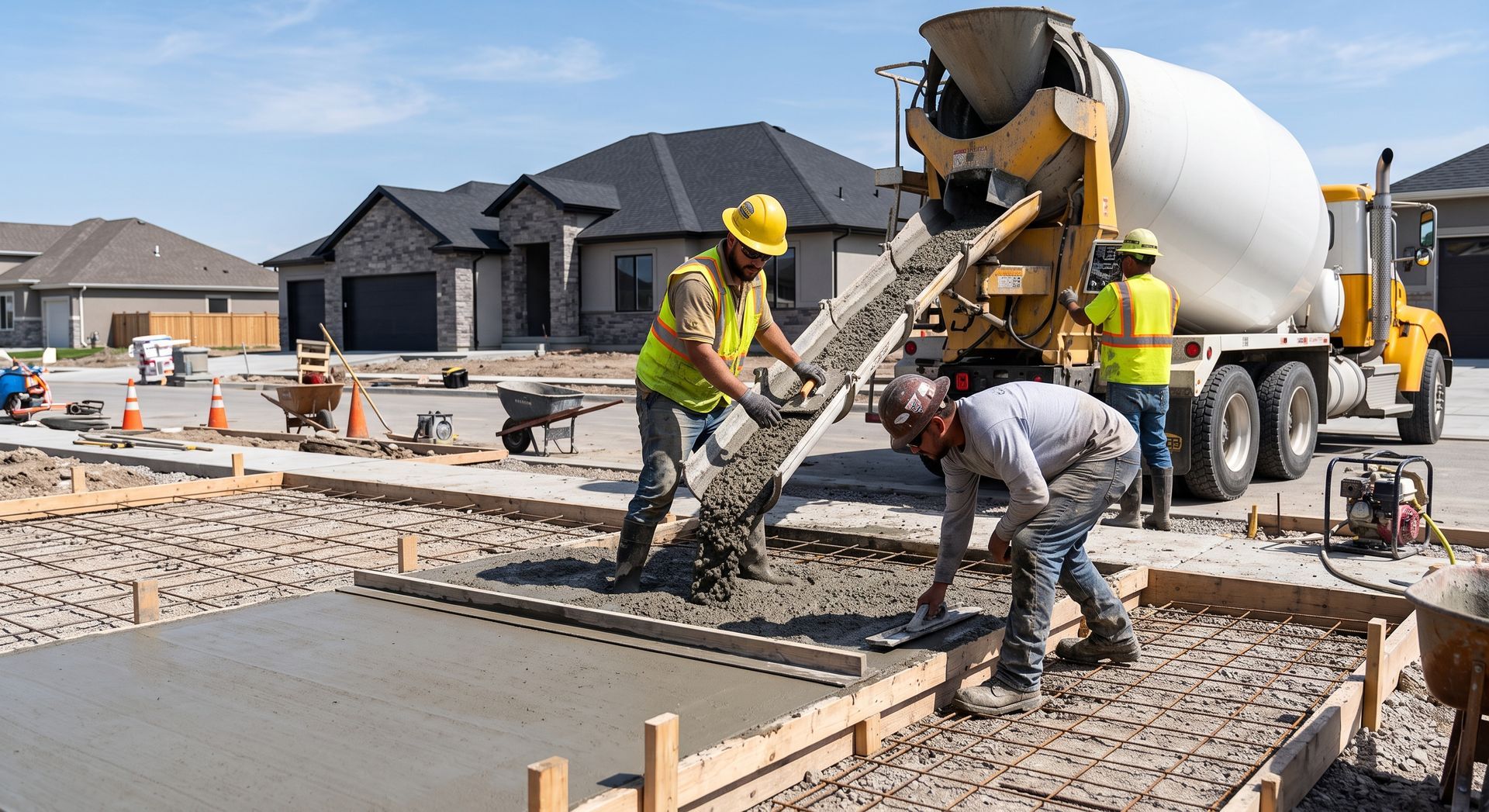
Best Time of Year to Pour Concrete in Cheyenne, WY

The best time to pour concrete in Cheyenne, WY is typically during late spring, summer, and early fall when temperatures are more stable and above freezing. However, concrete can be successfully poured year-round with the right techniques and planning. Understanding how Wyoming’s climate affects concrete helps ensure your project is durable, properly cured, and built to last.
Why Timing Matters for Concrete Projects
Concrete is highly sensitive to temperature and moisture during the curing process. If conditions are too cold or too hot, the concrete may not cure properly, leading to cracks, reduced strength, or surface defects.
In Cheyenne, where weather conditions can change quickly, timing your project correctly is essential for achieving the best results.
Ideal Conditions for Pouring Concrete
For optimal performance, concrete should be poured under controlled conditions.
Temperature Range
The ideal temperature for pouring concrete is generally between 50°F and 80°F. Within this range:
- Concrete cures at a steady rate
- Strength develops properly
- Risk of cracking is minimized
Stable Weather
Consistent weather conditions are important. Sudden temperature drops or extreme heat can disrupt the curing process.
Proper Moisture Levels
Concrete needs adequate moisture to cure correctly. Dry conditions can cause rapid evaporation, while excessive moisture can weaken the surface.
Seasonal Breakdown in Cheyenne
Each season in Cheyenne presents unique challenges and advantages for concrete work.
Spring (March–May)
Spring is often a good time to start concrete projects, especially in late spring when temperatures become more consistent.
Advantages:
- Moderate temperatures
- Increased availability of contractors early in the season
Considerations:
- Unpredictable weather
- Occasional freezing temperatures in early spring
Summer (June–August)
Summer is generally the most popular time for concrete projects in Cheyenne.
Advantages:
- Warm, stable temperatures
- Faster curing times
Considerations:
- High temperatures can cause rapid drying
- Additional measures may be needed to prevent surface cracking
Fall (September–October)
Early fall offers some of the best conditions for pouring concrete.
Advantages:
- Cooler, consistent temperatures
- Reduced risk of extreme heat
Considerations:
- Shorter working window before winter
- Need to monitor for early cold snaps
Winter (November–February)
Concrete can still be poured in winter, but it requires specialized techniques.
Challenges:
- Freezing temperatures can disrupt curing
- Increased need for protective measures
Solutions:
- Heated materials or enclosures
- Insulated blankets to maintain temperature
- Careful timing during warmer parts of the day
Winter projects should always be handled by experienced professionals.
How Cold Weather Affects Concrete
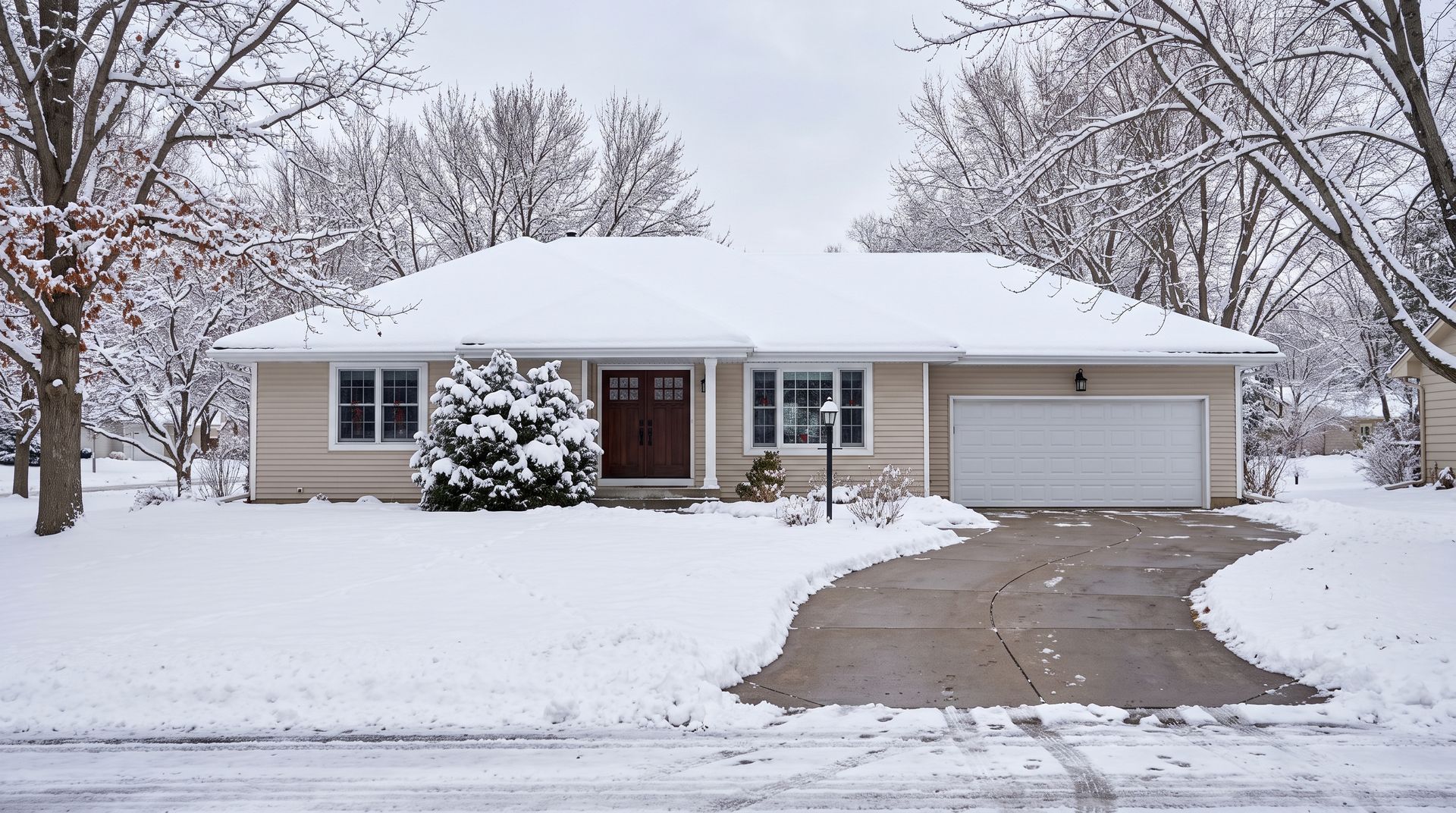
Cold weather is one of the biggest challenges for concrete work in Cheyenne.
When temperatures drop below freezing:
- Water in the concrete can freeze before curing
- Strength development slows significantly
- Surface damage becomes more likely
Professional contractors use techniques such as heated water, additives, and insulation to ensure proper curing in cold conditions.
How Hot Weather Impacts Concrete
While Cheyenne is known for cold winters, summer heat can also create challenges.
High temperatures can cause:
- Rapid evaporation of moisture
- Surface cracking
- Reduced strength if not managed properly
To address this, contractors may:
- Pour concrete early in the morning
- Use curing compounds
- Keep the surface moist during curing
Planning Your Concrete Project
Proper planning helps ensure your project is completed under the best possible conditions.
Schedule Early
Concrete projects are often in high demand during peak seasons. Scheduling early helps secure your preferred timeline.
Be Flexible
Weather conditions can change quickly in Cheyenne. Flexibility allows your contractor to adjust timing for optimal results.
Work with Experienced Professionals
An experienced contractor understands how to manage weather-related challenges and ensure proper curing regardless of the season.
Why Local Experience Matters
Hiring a contractor familiar with Cheyenne and surrounding areas provides a significant advantage.
Local professionals understand:
- Seasonal weather patterns
- Soil conditions in the region
- Best practices for long-term durability
They can recommend the best timing for your specific project and adjust plans as needed.
Best Practices for Successful Concrete Installation
To ensure long-lasting results, follow these best practices:
Monitor Weather Conditions
Keep an eye on temperature and precipitation forecasts leading up to your project.
Ensure Proper Curing
Curing is one of the most critical steps. Proper moisture and temperature control help the concrete reach full strength.
Use Quality Materials
High-quality materials and proper mix designs improve durability and performance.
Frequently Asked Questions
Can concrete be poured in winter in Cheyenne?
Yes, but it requires special techniques such as heating and insulation to ensure proper curing.
What happens if concrete freezes before it cures?
If concrete freezes too early, it can lose strength and develop surface damage.
Is summer always the best time for concrete work?
Summer is popular, but early fall often provides more consistent conditions with fewer temperature extremes.
How long does concrete need to cure?
Concrete continues to cure for several weeks, but initial strength is typically achieved within the first few days.
Schedule Your Concrete Project at the Right Time
Timing plays a critical role in the success of any concrete project. By choosing the right season and working with experienced professionals, you can ensure your concrete is installed correctly and built to last.
Miller & Sons Construction, Inc. provides expert concrete services throughout Cheyenne and within a 60-mile radius. With a deep understanding of Wyoming’s climate, the team ensures every project is completed under the best possible conditions.
Contact
Miller & Sons Construction today to schedule your project and get expert guidance on the best time to pour concrete for your needs.