7 Signs Your Concrete Foundation May Need Professional Attention

Concrete foundation problems can develop gradually, and the first warning signs may show up somewhere other than the foundation itself. New cracks, uneven floors, sticking doors, or changes around windows can indicate that part of a structure has moved.
In Cheyenne, Wyoming, foundations must contend with changing temperatures, freeze-thaw conditions, moisture, drainage, and soil movement. One symptom does not necessarily mean a foundation has a serious problem. However, knowing what to watch for can help property owners recognize when professional attention is warranted.
1. Foundation Cracks Are Changing
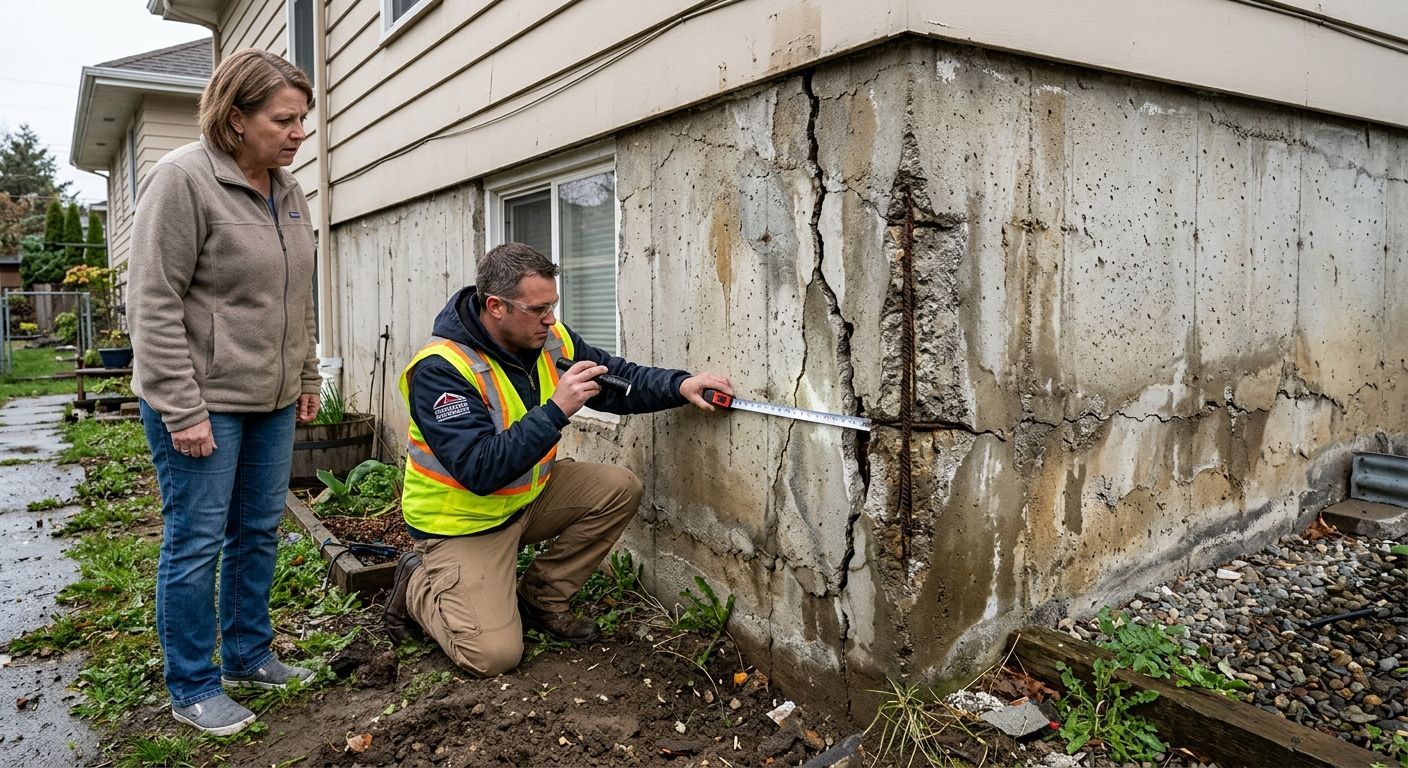
Small cracks can occur as concrete cures and do not automatically indicate structural trouble. More attention may be necessary when a crack becomes wider, continues to grow, or develops noticeable displacement between its two sides.
Look Beyond the Size of the Crack
The pattern and progression matter as much as the crack itself. Horizontal cracks, stair-step cracking in adjacent masonry, or several new cracks appearing in the same area deserve closer examination.
Taking dated photographs can help you determine whether a crack remains stable or changes over time.
2. Floors Feel Uneven or Begin to Slope
Floors that noticeably dip, slope, or feel different underfoot may indicate movement somewhere within the structure.
An uneven floor can have several causes, so it should not automatically be blamed on the foundation. The concern becomes more significant when floor changes appear alongside other symptoms, such as new wall cracks or doors that no longer close correctly.
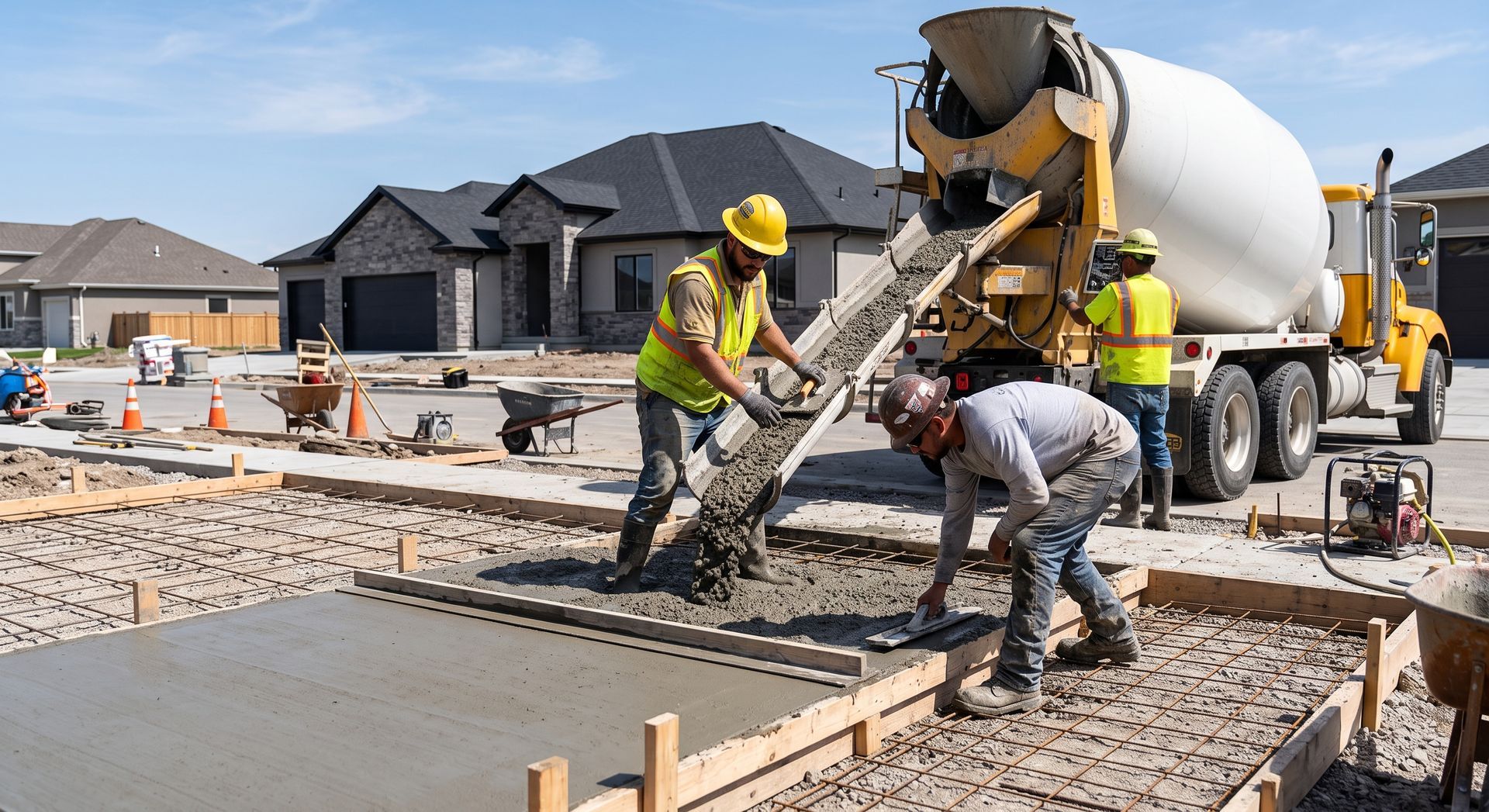
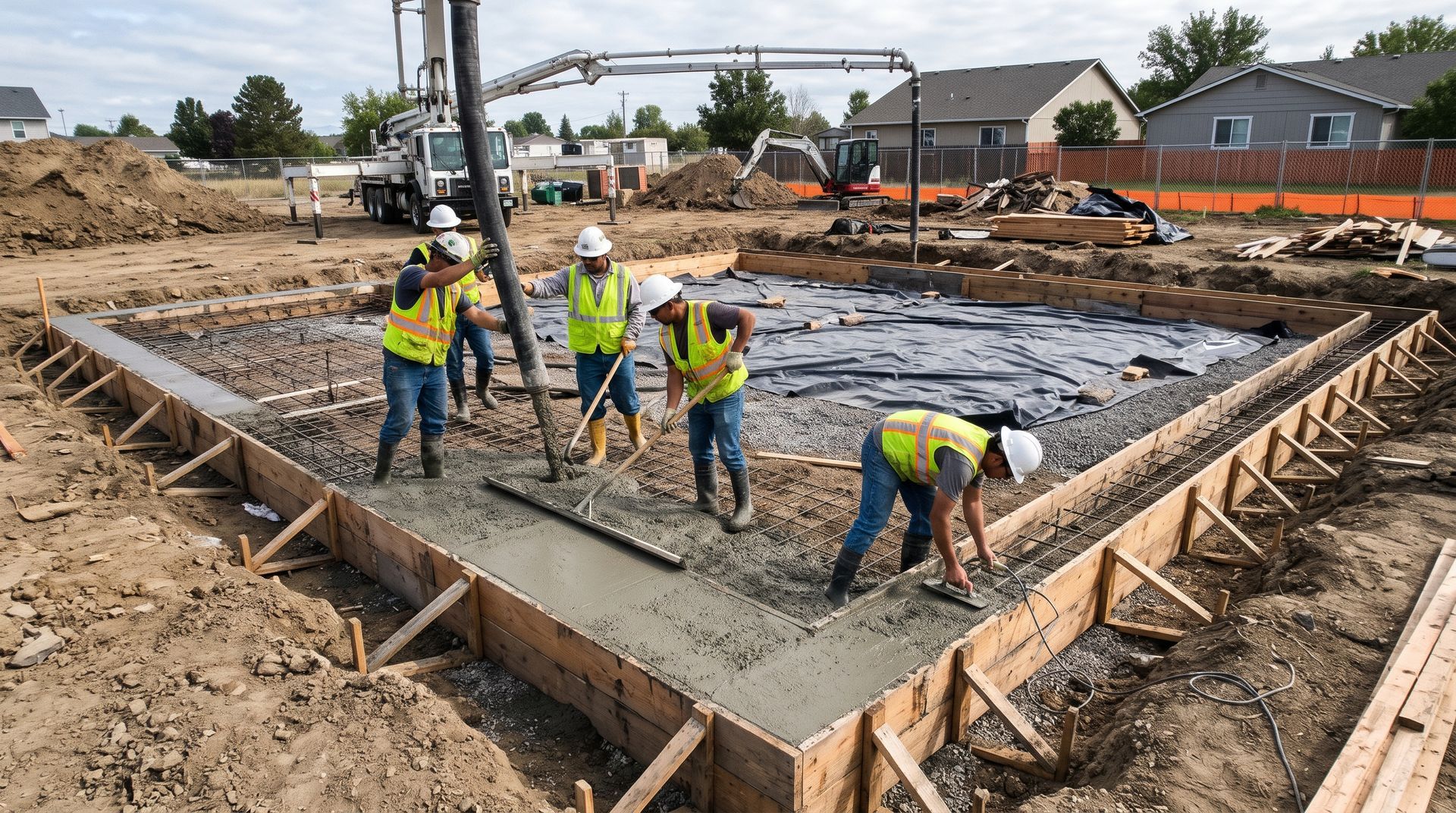
Proper Concrete Foundation work starts with careful site preparation and must account for the requirements of the structure and site.
3. Multiple Doors or Windows Begin Sticking
A single sticking door could simply need an adjustment. Several doors or windows developing problems around the same time deserve more attention.
Changes can include doors rubbing against their frames, windows becoming difficult to open, or previously even gaps becoming noticeably different.
These symptoms may occur when parts of a structure shift enough to affect the alignment of openings.
4. New Gaps Appear Around Walls and Openings
Watch for separation where walls meet ceilings, around window and door frames, or between adjoining building materials.
A new gap does not establish that the foundation is responsible. However, expanding separation can indicate movement that should be investigated, particularly when it occurs alongside cracking or uneven floors.
Rather than focusing on one isolated symptom, look for changes occurring in several parts of the property.
5. Water Regularly Collects Near the Foundation
Water management matters because the soil surrounding a foundation helps support the structure.
After rain or snowmelt, water should drain away rather than repeatedly collecting against the building. Poor grading, drainage problems, or improperly directed downspouts can leave the surrounding soil exposed to excessive moisture.
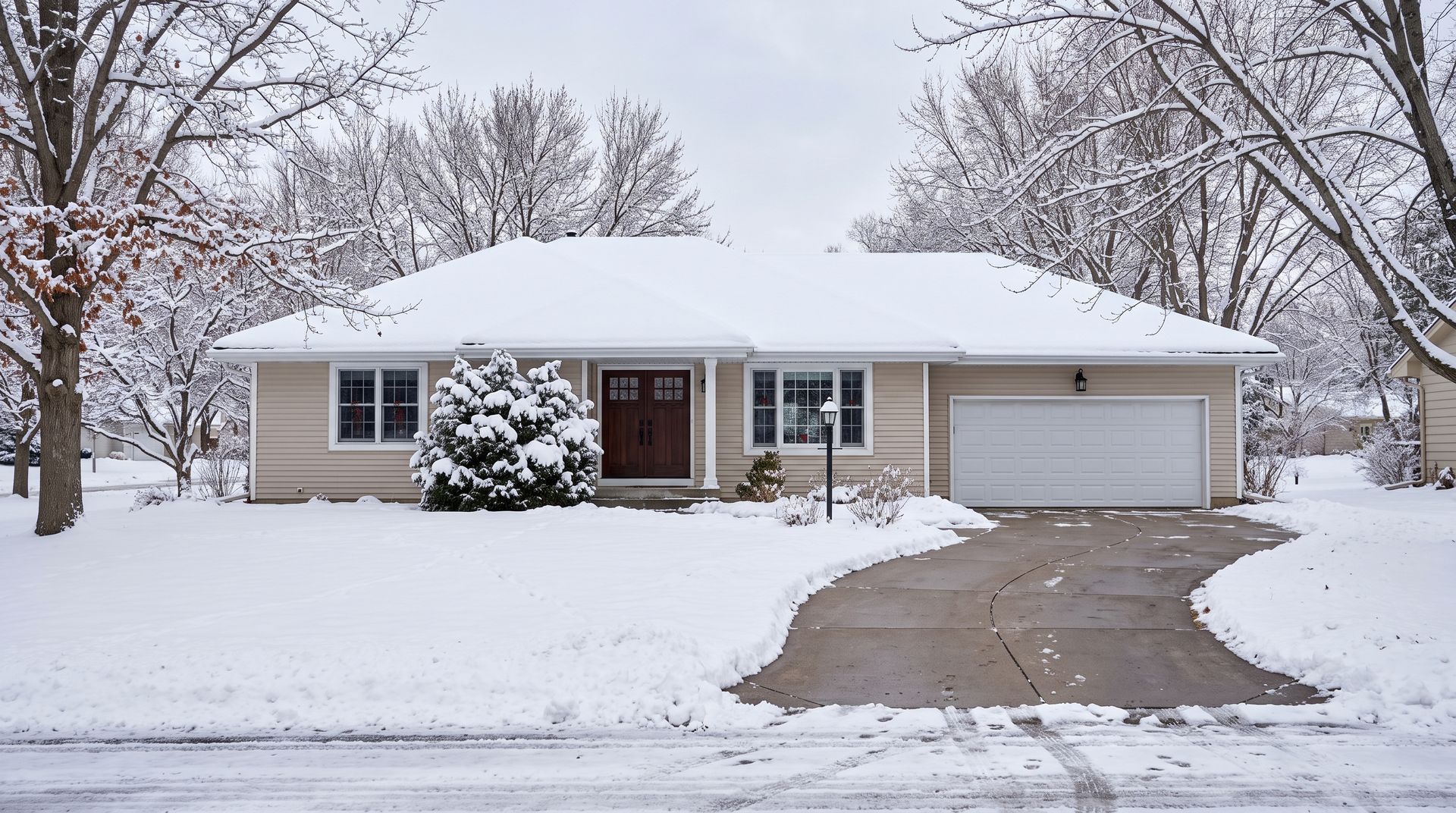
Cheyenne’s seasonal freezing conditions make drainage especially worth monitoring. Water around concrete can freeze and thaw as temperatures change, adding another source of stress around exterior surfaces.
6. Nearby Concrete Is Shifting or Separating
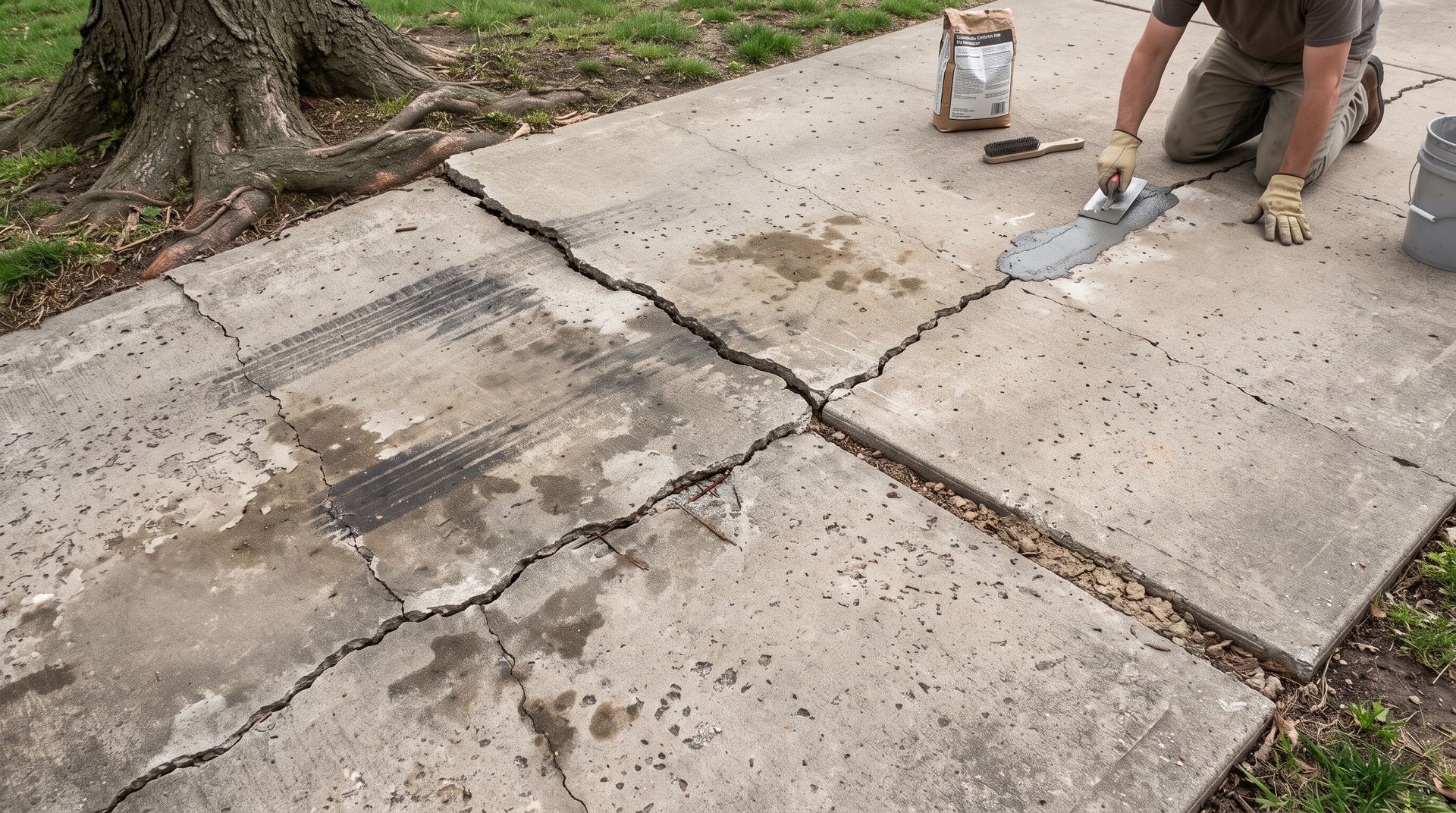
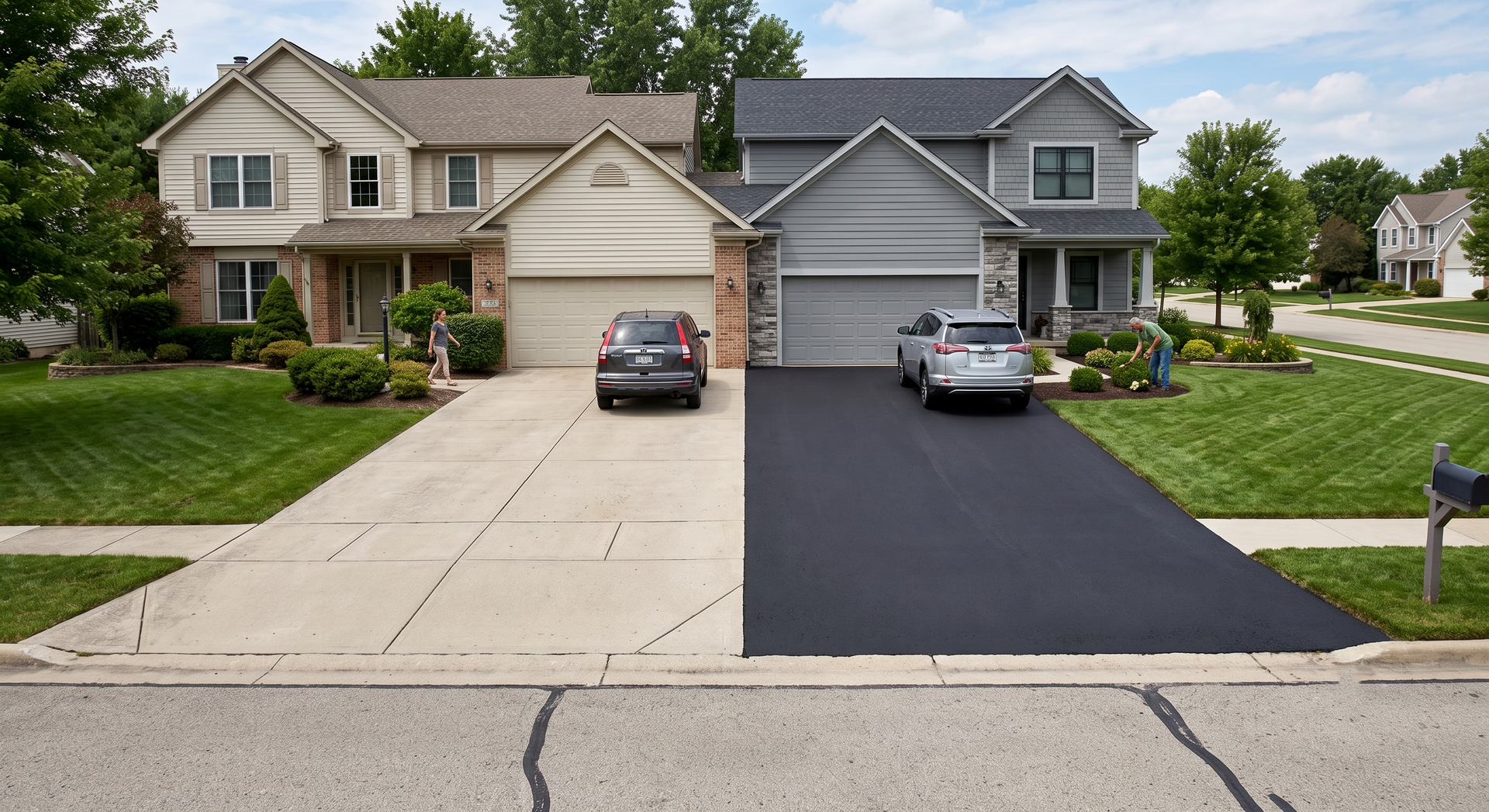
Driveways, sidewalks, steps, and patios can settle independently of a building. Still, noticeable movement in several concrete areas can provide useful clues about conditions around the property.
For example, you may notice a walkway pulling away from a structure or one section of a slab sitting noticeably higher than another.
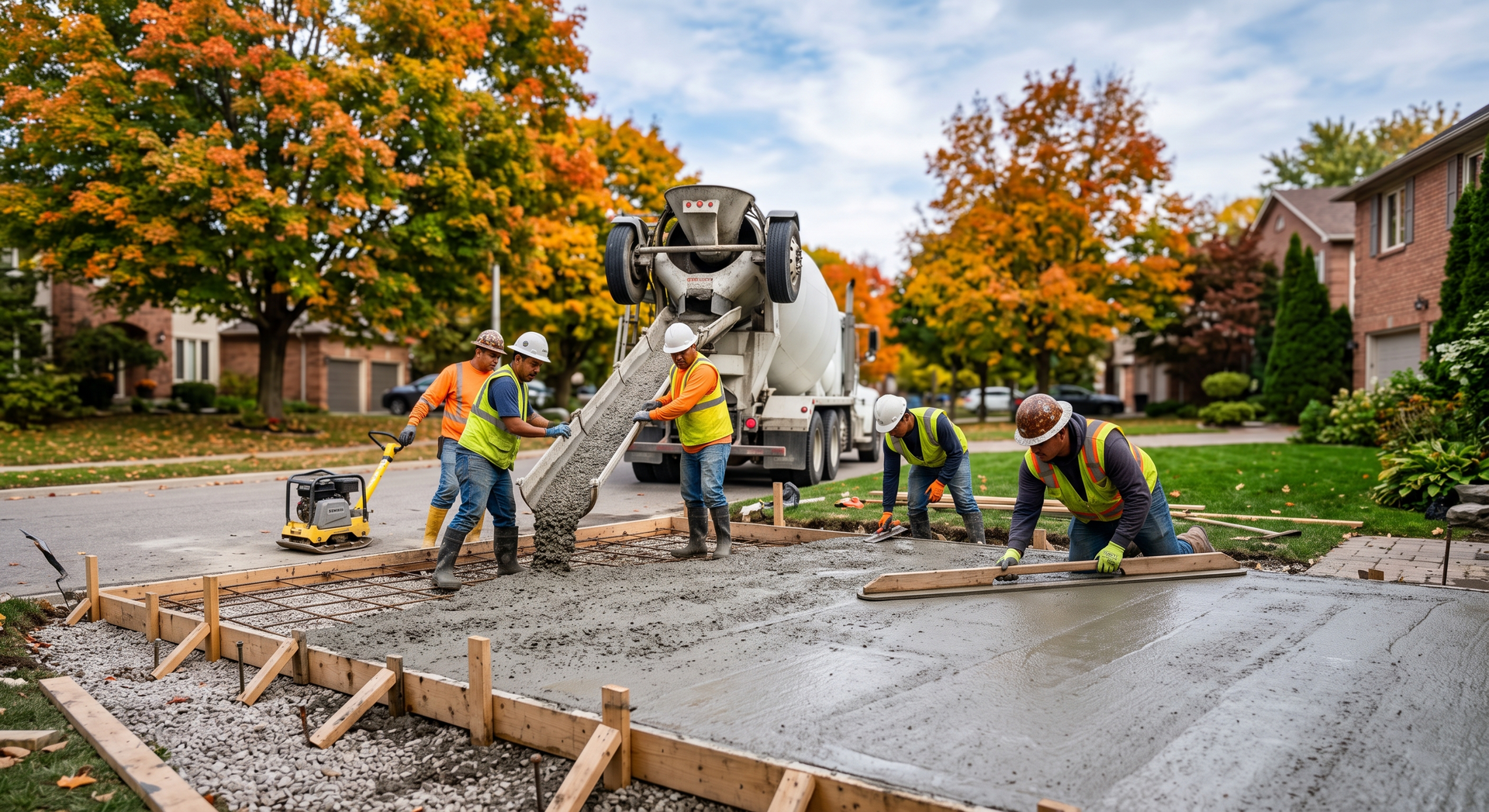
Quality Concrete Flatwork depends on appropriate base preparation, grading, drainage, joint placement, and installation practices. When several surfaces are changing, evaluating the broader site can be more useful than looking at each symptom separately.
7. Several Warning Signs Are Progressing Together
The strongest reason to seek professional attention is often not one individual crack or gap, but a pattern of changes.
A foundation concern becomes harder to dismiss when a growing crack appears alongside sloping floors, sticking doors, or exterior separation. Progressive changes provide more information than a single condition that has remained stable for years.
Document what you see and note when changes first appeared. This information can be useful when discussing the property with a concrete professional.
When Should a Foundation Be Professionally Evaluated?
Consider an evaluation when cracking is progressing, movement is visible, drainage problems persist, or multiple warning signs appear together.
A professional assessment can help determine whether the issue involves the concrete itself, surrounding site conditions, or something that requires additional investigation. Depending on the circumstances, input from a structural engineer or another qualified specialist may also be appropriate.
Miller & Sons Construction, Inc. works on residential and commercial concrete projects in Cheyenne and surrounding communities, with experience in concrete foundations, flatwork, coatings, and other concrete applications.
Discuss Your Concrete Foundation Project in Cheyenne
Foundation concerns should be evaluated based on what is actually happening at the property rather than assumptions based on one crack or uneven surface. Recognizing changes early gives you better information for deciding what to do next.
If you need concrete foundation work or want to discuss a planned concrete project in the Cheyenne area, contact Miller & Sons Construction, Inc. to talk with the team about your project and next steps.